The liver quietly performs hundreds of jobs every day, from processing nutrients and bilirubin to helping the body break down toxins and produce proteins needed for blood clotting. Because the liver has considerable functional reserve, liver disease may not cause obvious symptoms until significant damage has occurred. Recognizing warning signs early is important because some forms of liver failure can become life-threatening and may require urgent medical treatment.
Liver failure occurs when the liver loses its ability to perform essential functions, either suddenly (acute liver failure) or as a result of progressive chronic liver disease. According to the World Health Organization (WHO), severe liver disease can cause symptoms including jaundice, dark urine, fatigue, nausea, vomiting and abdominal pain, while severe acute hepatitis can progress to liver failure. WHO guidance also highlights jaundice, impaired brain function (hepatic encephalopathy), and problems with blood clotting as important features of acute liver failure.
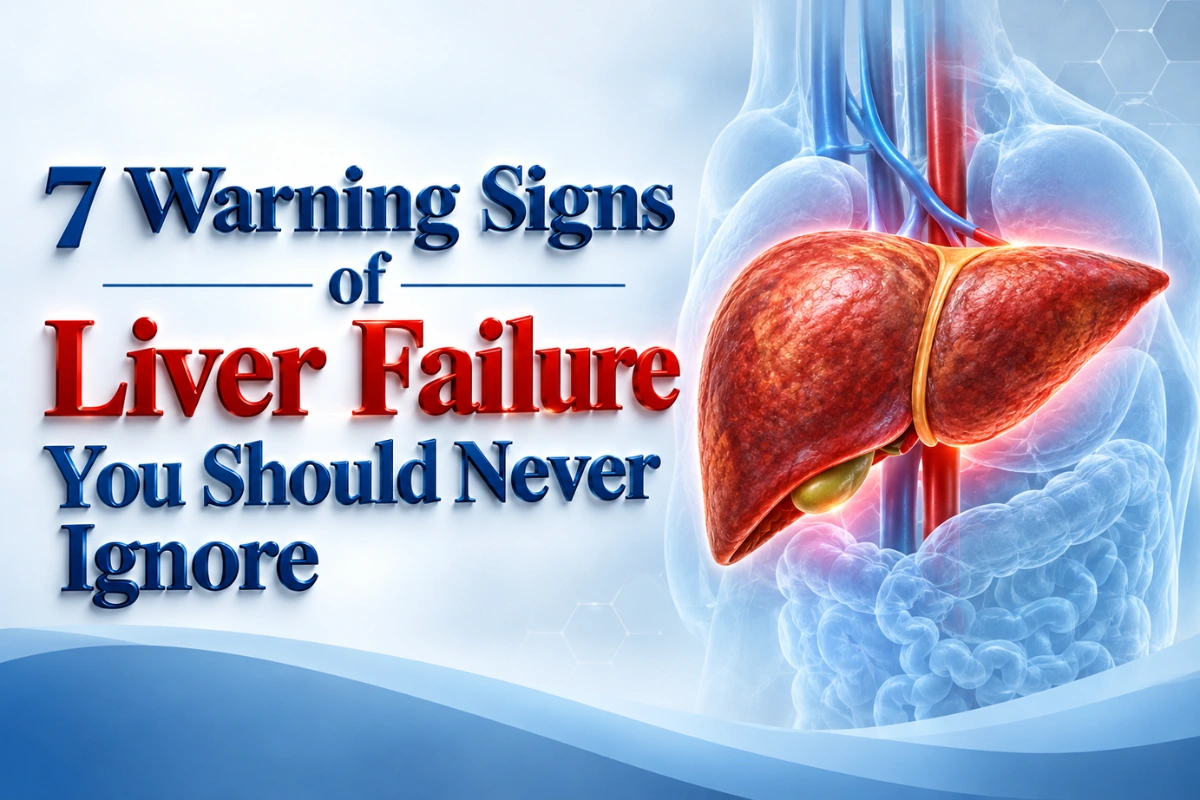
Below are seven key warning signs to watch for, what they may indicate, and when it’s time to seek medical attention.
What Are the Warning Signs of Liver Failure?
Liver failure symptoms can be subtle at first and easy to mistake for everyday tiredness or minor digestive upset. As liver function declines further, signs tend to become more noticeable and specific. Here are the seven warning signs that deserve your attention.
1. Yellowing of the Skin and Eyes (Jaundice)
- What it looks or feels like: A yellowish tint to the skin, the whites of the eyes, or the inside of the mouth, sometimes accompanied by darker-than-usual urine.
- Why it may indicate liver failure: Jaundice happens when the liver can’t clear bilirubin, a yellow byproduct of old red blood cells, from the blood efficiently. The WHO’s hepatitis guidance also identifies jaundice, dark urine, pale faeces, fatigue, loss of appetite, nausea and vomiting among symptoms associated with liver disease.
- What action should be taken: See a doctor promptly if jaundice appears or worsens, especially alongside fatigue or abdominal discomfort.
2. Swelling in the Abdomen or Legs
- What it looks or feels like: A bloated, tight-feeling belly (ascites) or puffiness in the ankles, feet, or lower legs that may worsen through the day.
- Why it may indicate liver failure: A struggling liver produces less albumin, a protein that keeps fluid inside blood vessels, allowing fluid to leak into surrounding tissue.
- What action should be taken: New or worsening swelling, particularly with weight gain or shortness of breath, warrants a medical evaluation soon.
3. Confusion or Changes in Mental Alertness
- What it looks or feels like: Difficulty concentrating, forgetfulness, disorientation, unusual drowsiness, or noticeable personality changes.
- Why it may indicate liver failure: This can signal hepatic encephalopathy, where a failing liver can’t remove toxins like ammonia, which then affect brain function.
- What action should be taken: Sudden confusion or altered consciousness is a medical emergency and needs immediate attention.
4. Easy Bruising or Unusual Bleeding
- What it looks or feels like: Bruises that appear with minimal impact, bleeding gums, frequent nosebleeds, or blood in vomit or stool.
- Why it may indicate liver failure: The liver produces proteins essential for blood clotting, so reduced liver function can impair the body’s ability to stop bleeding.
- What action should be taken: Unexplained or excessive bleeding, especially blood in vomit or stool, requires urgent medical care.
5. Dark Urine or Pale Stools
- What it looks or feels like: Urine that looks tea- or cola-colored, paired with stools that appear unusually pale, clay-colored, or grey.
- Why it may indicate liver failure: These changes often occur alongside jaundice, reflecting how bilirubin and bile are being processed and excreted differently.
- What action should be taken: Persistent changes in urine or stool color are worth discussing with a doctor, particularly if jaundice is also present.
6. Severe Fatigue or Weakness
- What it looks or feels like: A deep, persistent tiredness that doesn’t improve with rest and can make daily tasks feel exhausting.
- Why it may indicate liver failure: A compromised liver struggles to process nutrients and clear toxins efficiently, which can drain the body’s overall energy levels.
- What action should be taken: Ongoing, unexplained fatigue lasting more than a couple of weeks deserves a medical check-up.
7. Nausea, Loss of Appetite, or Unexplained Weight Loss
- What it looks or feels like: Feeling queasy, avoiding food, feeling full quickly, or losing weight without trying.
- Why it may indicate liver failure: Reduced bile production and processing can disrupt digestion, appetite regulation, and nutrient absorption.
- What action should be taken: Persistent digestive symptoms or noticeable weight loss should prompt a conversation with a healthcare provider.
When Should You Seek Immediate Medical Attention?
Most liver failure symptoms develop gradually, but certain combinations signal a medical emergency. Seek immediate care if you experience:
- Sudden confusion, extreme drowsiness, or difficulty staying awake
- Vomiting blood or passing black, tarry, or bloody stools
- Rapidly worsening jaundice along with fever
- Severe abdominal pain and swelling with shortness of breath
- Uncontrolled bleeding from gums, nose, or a wound
Frequently Asked Questions About Liver Failure Warning Signs
Can liver failure happen suddenly, or does it always develop slowly?
Both are possible. Acute liver failure can develop within days or weeks, often from causes like certain medications, viral infections, or toxin exposure, while chronic liver failure usually develops over years due to conditions such as long-term alcohol use, fatty liver disease, or hepatitis.
Are early warning signs of liver failure always obvious?
No. Early signs like mild fatigue or slight appetite changes are easy to overlook or attribute to other causes. This is one reason routine check-ups and blood tests can be valuable, even before more visible symptoms appear.
How can I find out if my liver is functioning normally?
A healthcare professional may recommend blood tests and other investigations based on your symptoms and medical history. In its Standard Treatment Guidelines for liver disease, the Indian Ministry of Health and Family Welfare (MoHFW) recommends investigations such as liver function tests, INR, CBC and abdominal ultrasound when evaluating patients presenting with jaundice from liver disease.
You can also learn more in our article on 7 Signs You May Need a Liver Function Test.
Is liver failure reversible?
It depends on the cause and how early it’s caught. Some cases, especially acute ones caught early, can improve significantly once the underlying trigger is addressed. Chronic, advanced liver damage is harder to reverse, which is why early recognition and prompt medical care matter so much.
Who is most at risk of liver failure?
People with chronic hepatitis, long-term heavy alcohol use, obesity or fatty liver disease, certain autoimmune conditions, or a history of specific medication or toxin exposure face a higher risk. Regular medical check-ups are especially important for these groups.
Conclusion
Liver failure rarely announces itself with a single dramatic symptom. More often, it’s a combination of subtle changes – fatigue, digestive discomfort, skin or eye color changes, swelling, or unusual bruising – that build over time. Knowing these seven warning signs gives you the ability to act early, rather than waiting until symptoms become severe.
If you notice any of these signs, especially in combination, don’t ignore them. A timely conversation with a healthcare provider, or a simple blood test, can make a meaningful difference. For more guidance on symptoms across the body that deserve attention, explore 25 Signs and Symptoms Your Body Should Never Ignore here on Signs and Symptoms – Clear Answers for Everyday Health Concerns.