Your liver works quietly in the background every single day – filtering toxins, producing bile, balancing blood sugar, and supporting hundreds of other vital functions. It rarely gives early warnings when something is wrong, which makes it easy to overlook until a problem becomes harder to manage.
A liver function test (LFT) is a simple blood test that checks how well your liver is working. Knowing when to get one can make a real difference to your health. Here are 7 signs that suggest it may be time to speak with your doctor about getting tested.
1. Persistent Fatigue With No Clear Reason
Feeling tired now and then is normal. But if you are constantly exhausted – even after a good night’s sleep – and there is no obvious cause like stress or illness, your liver may be struggling. When liver function is impaired, your body has a harder time processing nutrients and removing waste from the blood. This leads to a build-up of toxins that can drain your energy levels throughout the day.
2. Yellowing of the Skin or Eyes (Jaundice)
Jaundice is one of the most visible signs of a liver problem. It happens when bilirubin – a yellow pigment produced when red blood cells break down – builds up in the body because the liver cannot process it properly. You may notice a yellow tint in the whites of your eyes or on your skin. If you spot this, do not delay – speak to a doctor as soon as possible.
3. Abdominal Pain or Swelling in the Upper Right Side
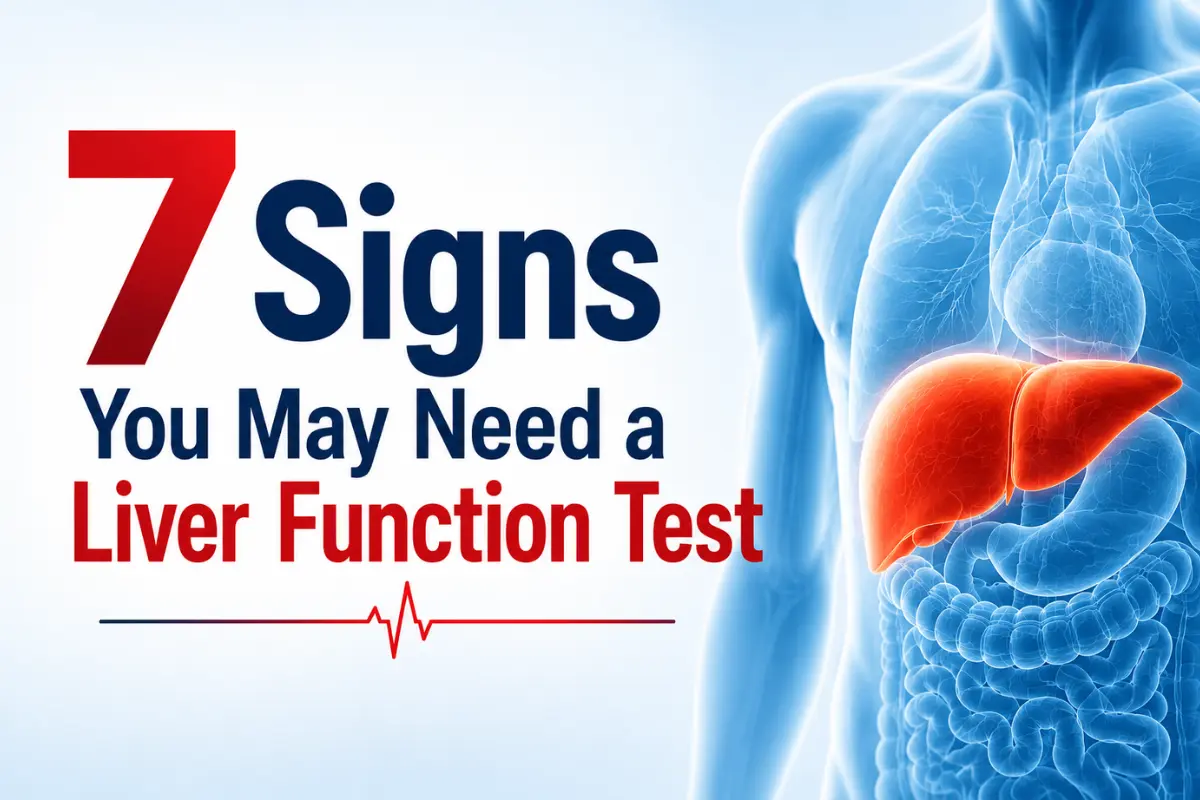
The liver sits on the upper right side of your abdomen, just below the ribcage. Discomfort, tenderness, or a dull ache in this area – especially when it does not go away – can be a sign of liver inflammation or enlargement. Swelling in the belly (called ascites) can also develop when the liver is not functioning well and fluid builds up in the abdominal cavity.
| NOTE – When to Seek Immediate Help If you experience sudden and severe abdominal pain, vomiting blood, or extreme confusion alongside any of these symptoms, seek emergency medical care right away. These may indicate a serious liver condition that needs urgent attention. |
4. Dark Urine or Pale Stools
Changes in the colour of your urine and stool can reveal a lot about your liver. Dark brown or tea-coloured urine often means that bilirubin is being excreted through the kidneys instead of the liver. On the other hand, pale or clay-coloured stools suggest that bile – which gives stool its normal brown colour – is not reaching your digestive tract properly. Both are signs that your liver may not be processing waste as it should. This also highlights the importance of liver and kidney function tests for early health detection, as both organs work closely together to remove toxins and maintain overall body balance.
5. Nausea, Vomiting, or Loss of Appetite
Digestive discomfort that lingers for days or weeks without any clear cause can point to liver trouble. The liver plays a key role in digestion by producing bile. When it is not working properly, you may feel nauseated, lose interest in food, or feel full quickly even after eating small amounts. Understanding the common causes and warning signs of fatty liver disease can also help you recognise early liver-related symptoms before they become more serious. These symptoms are often dismissed as a stomach issue, but they deserve proper investigation – especially if they keep returning.
6. Itchy Skin Without a Rash
Unexplained itching – particularly when there is no visible rash or skin condition – can be a subtle sign of liver disease. This happens when bile salts accumulate under the skin due to poor liver function. The itching can be mild or intense and may get worse at night. Many people are surprised to learn that persistent skin irritation can be linked to an internal organ like the liver.
To learn more about how internal conditions show up on the skin, explore our articles on signs and symptoms of various diseases that are often missed.
7. Heavy Alcohol Use or Exposure to Liver-Stressing Factors
Even if you feel fine, certain lifestyle and medical factors put extra strain on your liver and raise your risk of liver disease. These include:
- Regular or heavy alcohol consumption
- Long-term use of certain medications or supplements
- A history of hepatitis B or C infection
- Type 2 diabetes or obesity – both linked to non-alcoholic fatty liver disease (NAFLD)
- Exposure to environmental toxins or chemicals at work
If any of these apply to you, a routine liver function test is a smart and proactive step – even without obvious symptoms.
Who Should Consider a Liver Function Test?
A liver function test is quick, affordable, and widely available. Your doctor may recommend one if you:
- Have one or more of the symptoms listed above
- Take regular medications that are processed by the liver
- Have a family history of liver disease
- Are undergoing treatment for conditions like thyroid disorders, high cholesterol, or diabetes
Final Thoughts
Your liver has an impressive ability to heal and regenerate – but only when problems are caught early enough. If you are experiencing any of the signs mentioned above, do not brush them off or wait for them to pass on their own.
Talk to your doctor, ask about a liver function test, and get a clear picture of your liver health. Early action is always better than late regret.
Stay informed about your health by reading easy-to-understand guides on common disease signs and symptoms at Signs and Symptoms.
Disclaimer: This article is for informational purposes only and is not a substitute for professional medical advice, diagnosis, or treatment. Always consult your doctor with any questions you may have about a medical condition.